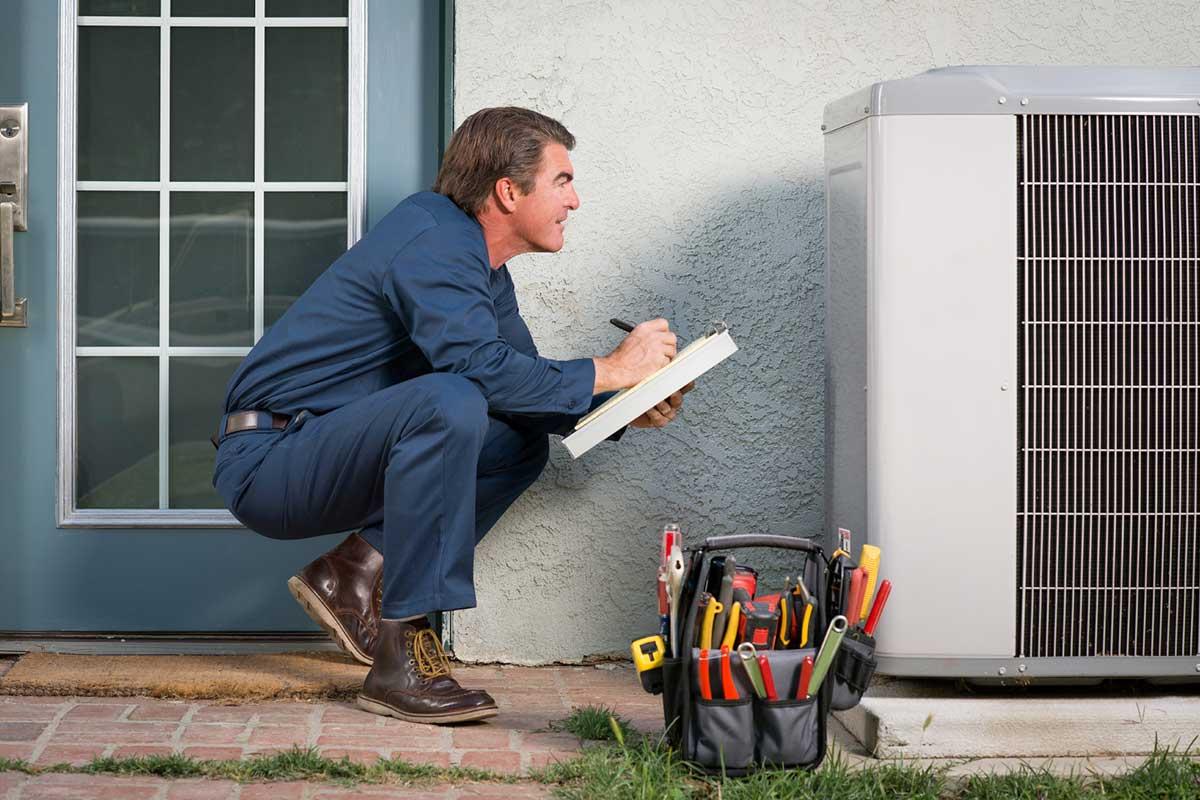
Not everyone is familiar with the various kinds of HVAC equipment that exist to make heating and cooling possible. As time goes on, HEATING AND COOLING equipment changes for the much better, typically being more cost reliable or energy efficient. Knowing some of the fundamental pieces and their functions might help produce a better understanding of how a HVAC system operates.
Not all Heating and Air Conditioning systems are the same, but many of them include the very same parts that are required to work together as a system. Whether you have the capability to do it yourself or you need to get in touch with a HVAC specialist, these parts that are consistently collaborating to keep the general system running efficiently. Let's do a rundown on some HVAC devices.
HVAC Coils
There are two types of Heating and Cooling coils in a typical Heating and Air Conditioning system; a condenser coil and an evaporator coil. The condenser coil aids in heat exchange, and similar to it states in the name, it condenses the hot refrigerant gas by being pumped outside and put under pressure to become liquid. The condenser coil then assists to release the heat, and the refrigerant returns inside to the evaporator coil. The evaporator coil, generally found in the air conditioner, is where the family air goes through to be taken in and developed into cold air. This air is then blown through the ducts.
Air Handler
An air handler is an indoor metal box used for both heating & cooling. It consists of the blower, which is what sends the air through your house, along with the evaporator coil. Depending on the size of the A/C system, it's offered in different sizes and various speeds. It is among the most important parts of the HVAC system. It's how your cool air and warm air reaches you.
Refrigerant Lines
Refrigerant lines are the metal tubes that the refrigerant goes through on its method to the evaporator coils. Refrigerant is what triggers the cooling. The condensing system vaporizes the liquid into gas and goes to the evaporator coil as liquid. These tubes can https://www.theedgesearch.com/2021/01/why-your-air-conditioner-freezes-up.html deal with many temperature levels, from regular to severe.
Heating system
The heating system is a large system, usually hidden away in a basement or a closet. The furnace is the Heating and Air Conditioning system's heat supplier. Heat is sent from the heating system to all the ducts of the home. There are different kinds of heaters with different kinds of heat sources. For instance, a gas heating heater utilizes gas and oil.
Single Phase Heating System vs. Two-Stage Heating System
The single phase heating system has an on and off function, enabling the user to have complete control. The two-stage heating system resolves the thermostat. The thermostat is utilized to identify whether hot air or cold air is required. The two-stage furnace is advantageous for saving energy because the heating system shuts off by itself when the temperature reaches an appropriate level.
Heat Exchanger
A heat exchanger is found in every heater system. It's a air conditioning installation reviews really vital part and it should be kept tidy. First, the thermostat triggers the heater. Then, the heat exchanger enters into action. Cool air comes into the heat exchanger, which is pulled from the spaces of the house or structure, and is heated up to be distributed back in.
Thermostat
A thermostat is the managing component of the heater. It senses the temperature level and alerts the heater. The majority of them are positioned so that they can be quickly accessed and altered by those occupying the home or structure. Depending on preference, they can be configured or by hand set. A programmable thermostat is helpful for controlling the temperature during perpetuity of the day. A programmable thermostat can even help to conserve money and energy.
Ducts
Ducts, or ductwork when describing the system of ducts, are generally made from aluminum and typically placed within the ceiling when the home or structure is constructed. Ductwork is accountable for transferring air to different locations of the home. It is essential to this page keep the ducts insulated.
Vents
A vent is a rectangle-shaped opening in which the air moved from the ducts is released. The metal used to make the vents has the ability to handle both the cold and hot air temperatures that travel through. Take an appearance on or near your ceiling. They're most likely there.
Not all vents are referred to as vents. Some have specific names. An example of one is a supply register. It's a small rectangular vent that brings the warm and cold air. The opposite of this is the return vent. The return vent is larger and made to, you thought it, return the air. It gets gone back to the A/C system to go through the procedure of being warmed or cooled once again.
Conclusion
There you have it; more behind cooling and heating than you probably wished to know. As long as your home is receiving the proper heating and cooling, you might not reconsider the workings behind it. Now when you're at house or any building delighting in the conveniences of one or the other, you'll be well-informed about what equipment is making it possible.